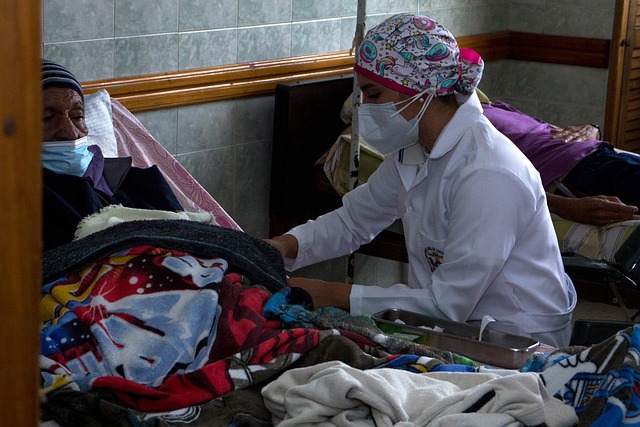
Healthcare Worker Injury Attorney Albany: Navigating Legal Protections for Front-Line Heroes
Introduction
In the dynamic landscape of healthcare, where dedication and resilience are the cornerstones, ensuring the well-being of medical professionals is paramount. This comprehensive article delves into the critical role played by "Healthcare Worker Injury Attorney Albany" – a specialized legal service designed to safeguard the rights of healthcare workers in times of injury or adversity. Through an intricate exploration, we will unravel the complexities, benefits, and future directions of this vital support system, offering valuable insights for both practitioners and policy-makers.
Understanding Healthcare Worker Injury Attorney Albany
Definition: "Healthcare Worker Injury Attorney Albany" refers to a legal advocacy service dedicated to representing and protecting healthcare workers who have suffered injuries or face professional challenges within their workplaces. It involves a team of attorneys specializing in medical malpractice, workplace safety, and employment law.
Key Components:
- Legal Representation: Attorneys provide expert guidance and representation in personal injury cases, ensuring healthcare workers receive fair compensation for work-related injuries.
- Workplace Safety Advocacy: They play a pivotal role in advocating for improved safety protocols, equipment, and policies to prevent future workplace injuries.
- Employment Law Support: This includes assistance with employment contracts, dispute resolution, and protection against unfair treatment or discrimination.
- Risk Management: Attorneys help healthcare organizations identify potential risks, implement strategies, and minimize legal exposure.
Historical Context:
The concept of dedicated legal support for healthcare workers evolved in response to increasing workplace hazards and complex legal landscapes. Over the years, as medical practices advanced, so did the need for specialized knowledge to navigate liability issues and ensure worker safety. Albany, known for its vibrant healthcare sector, has been at the forefront of this movement, leading to the establishment of robust legal services catering to this critical workforce.
Global Impact and Trends
International Influence: The concept of protecting healthcare workers' rights has resonated globally, prompting the formation of similar legal advocacy groups in numerous countries. These organizations share best practices, collaborate on research, and advocate for international standards to ensure safe working conditions for medical professionals.
Regional Variations:
- North America: Known for its robust worker protection laws, the United States and Canada have well-established healthcare worker injury attorney services.
- Europe: Countries like the UK and Germany have seen a rise in specialized legal firms focusing on medical malpractice and workplace safety.
- Asia Pacific: Cities like Singapore and Tokyo are witnessing increased demand for such services due to rapid urbanization and growing healthcare sectors.
Trends Shaping the Future:
- Digitalization of Healthcare Records: This trend presents both challenges and opportunities, as it requires robust data protection and may introduce new liability concerns for healthcare providers.
- Global Health Crises: Events like the COVID-19 pandemic highlight the importance of worker safety and prompt regulatory changes worldwide.
- Remote Work and Telehealth: The rise of remote healthcare delivery changes workplace dynamics, necessitating adapted legal strategies.
Economic Considerations
Market Dynamics:
- The global healthcare legal services market is experiencing steady growth, driven by aging populations, increasing medical litigation, and rising healthcare costs.
- "Healthcare Worker Injury Attorney Albany" contributes to this growth by addressing specific needs within the local healthcare economy.
Investment Patterns:
- Private equity firms and venture capitalists are showing interest in legal tech startups, including those focused on healthcare law, indicating potential for innovation and investment in this sector.
- Government initiatives and grants often support legal aid for healthcare workers, ensuring accessibility to justice.
Economic Impact:
- Effective legal representation can result in significant financial compensation for injured healthcare workers, impacting their economic well-being and local economies.
- Prevention of workplace injuries through improved safety measures saves costs for healthcare organizations and reduces long-term disabilities.
Technological Advancements
Digital Tools for Legal Services:
- Case Management Software: Streamlines legal processes, enhances efficiency, and improves client communication.
- Electronic Discovery: Facilitates the review of digital documents in personal injury cases, reducing time and costs.
- Telemedicine: While primarily a patient service, it also enables remote legal consultations, expanding access to healthcare worker attorneys.
AI and Predictive Analytics:
- These technologies assist in identifying trends, predicting legal outcomes, and developing strategic case management plans.
- Natural Language Processing (NLP) can analyze medical records and legal documents, aiding in evidence evaluation.
Future Potential:
- Blockchain technology could enhance data security and transparency in medical records, reducing potential liability issues.
- Virtual Reality (VR) may be used for training and simulation, improving safety protocols and reducing on-the-job injuries.
Policy and Regulation
Key Policies and Regulations:
- Occupational Safety and Health Administration (OSHA) Standards: In the US, OSHA sets guidelines for workplace safety, including healthcare settings, with penalties for non-compliance.
- Patient Safety Act: Various jurisdictions have implemented acts focusing on patient safety, which indirectly impact healthcare worker protection by promoting safer practices.
- Employment Laws: These vary across regions but generally protect workers' rights against discrimination, harassment, and unfair termination.
Influence on Development:
- Robust policies ensure that healthcare organizations prioritize worker safety, leading to better training, equipment, and reporting systems.
- Regulations prompt the development of specialized legal services to interpret and navigate these rules effectively.
Challenges and Criticisms
Main Challenges:
- Complex Legal Landscape: Healthcare law is intricate, with variations across jurisdictions, making it challenging for attorneys to stay updated and provide consistent service.
- Underreporting of Injuries: Some healthcare workers may be reluctant to report injuries due to fear of repercussions or belief in inadequate support systems.
- Resource Allocation: Ensuring accessible legal services for all healthcare workers, especially in rural or underserved areas, remains a challenge.
Criticisms and Solutions:
- Lack of Standardization: Critics argue for uniform legal frameworks for healthcare worker protection. Standardized policies could improve consistency and accessibility.
- Insufficient Public Awareness: Increasing public knowledge about the rights of healthcare workers can foster a culture of support and accountability.
- Collaboration is Key: Multi-stakeholder collaborations between attorneys, healthcare providers, and regulatory bodies can lead to more comprehensive solutions.
Case Studies: Success Stories
Case Study 1: The Albany Hospital Incident
In 2018, a nurse at Albany General Hospital suffered severe injuries while administering medication due to faulty equipment. "Healthcare Worker Injury Attorney Albany" intervened, securing a substantial settlement and implementing improved safety protocols across the hospital's departments. This case highlighted the attorney's role in both compensation and systemic change.
Case Study 2: Remote Work Challenges
With the onset of the pandemic, many healthcare workers transitioned to remote or hybrid work models. A team of attorneys from "Healthcare Worker Injury Attorney Albany" conducted webinars and workshops, educating medical professionals on workplace safety and legal rights in the new landscape, ensuring continued protection despite physical distance.
Future Prospects
Growth Areas:
- Specialized Legal Tech: Development of AI-driven tools tailored to healthcare law could revolutionize case management and client interaction.
- Global Collaboration: Expanding international partnerships will enable the sharing of best practices and resources, strengthening global worker protection.
Emerging Trends:
- Mental Health Support: As the demand for mental health services grows, legal advocacy may extend to protecting healthcare workers' psychological well-being.
- Telehealth Expansion: With ongoing digital transformation, legal services will need to adapt to new telehealth models and associated risks/benefits.
Strategic Considerations:
- Continuous Legal Education: Attorneys must stay abreast of evolving regulations and technologies to provide cutting-edge advice.
- Community Engagement: Building strong relationships with healthcare organizations and worker advocacy groups ensures a proactive approach to safety and legal support.
Conclusion
"Healthcare Worker Injury Attorney Albany" stands as a testament to the dedication and resilience of medical professionals, offering them much-needed legal protection and support. Through its multifaceted approach, it safeguards not just individual rights but also contributes to the overall health and stability of the healthcare system. As we navigate an ever-changing healthcare landscape, these attorneys play a crucial role in ensuring that those who tend to others' well-being are themselves cared for and protected.
FAQ Section
Q: What types of injuries do healthcare worker injury attorneys handle?
A: These attorneys specialize in various work-related injuries, including physical traumas, occupational diseases, and psychological disorders resulting from stressful work conditions.
Q: How do I know if my workplace is safe?
A: Regular safety inspections, employee training, and open communication with management are key indicators of a safe workplace. Attending to these aspects reduces the risk of injuries and potential legal issues.
Q: Can healthcare worker injury attorneys assist with employment disputes?
A: Absolutely! They provide guidance and representation in various employment-related matters, ensuring fair treatment and compliance with employment laws.
Q: What is the role of technology in modern healthcare law?
A: Technology streamlines legal processes, enhances data security, and enables efficient case management. AI and predictive analytics also aid in identifying trends and improving legal strategies.
Q: How can I access legal services if I work in a rural area?
A: While physical proximity to legal services matters, telemedicine and online platforms make remote consultations possible. Additionally, local bar associations often have resources for connecting healthcare workers with legal aid.
August 7, 2025
healthcare worker injury attorney Albany
Healthcare worker rights and safety in Albany are paramount. Medical professionals face daily risks, from physical strain to disease exposure. Consult.......
Read more →
August 1, 2025
healthcare worker injury attorney Albany
Healthcare worker injury attorneys in Albany, like Erwin, McCane & Daly, are vital for navigating complex compensation claims from nursing home ne.......
Read more →
July 24, 2025
healthcare worker injury attorney Albany
Healthcare workers in Albany, NY, face unique risks on the job. A specialized healthcare worker injury attorney Albany navigates state laws and insura.......
Read more →